






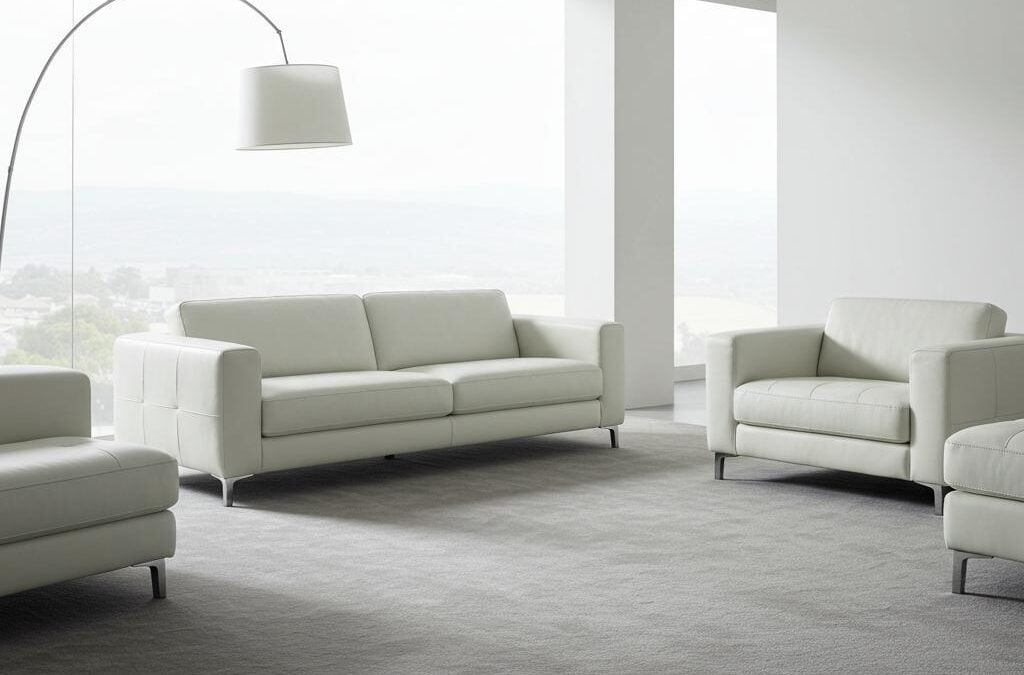
Professional upholstery cleaning in Connecticut begins with a thorough inspection and pre-treatment of stains. IICRC-certified technicians then apply hot water extraction, using specialized solutions to remove deep dirt, allergens, and odors. The process restores fabric appearance and extends furniture life, with a 200% Risk-Free Guarantee backing every service. For homeowners and property managers across New Haven County, upholstered furniture represents a real investment, and years of daily use, pet traffic, spills, and everyday dust gradually work their way into fabric fibers. A structured cleaning process addresses that buildup at its source instead of masking it, combining fabric-specific assessment, targeted pretreatment, deep extraction, and careful drying so sofas, sectionals, dining chairs, and other fine furniture come through looking refreshed rather than worn down by the cleaning itself.
What is the professional upholstery cleaning process?
Professional upholstery cleaning removes embedded grime, allergens, and odors from fabric furniture using specialized equipment and safe cleaning solutions. The Professional Upholstery Cleaning Process restores fibers without the harsh scrubbing that damages delicate textiles. Professional Cleaning & Restoration Systems of Connecticut delivers this service across New Haven County as part of its Whole-Home methodology, treating upholstery cleaning as one piece of a broader approach to healthy indoor living alongside carpet care, air duct service, and water damage restoration. Because fabric furniture sits in constant contact with skin, pets, and airborne dust, routine professional attention does more than refresh appearance, it supports better indoor air quality throughout the home.
What happens during a professional upholstery cleaning?
- Technicians inspect the fabric type and soiling level, checking for colorfastness, fiber construction, and any pre-existing stains or damage that could affect the cleaning approach.
- A powerful cleaning machine applies safe, efficient solutions formulated to break down oils, dust, and ground-in dirt without saturating the fabric backing or cushion filling.
- Extraction removes suspended grime and residual moisture, drawing both the cleaning solution and the loosened soil out of the fibers rather than leaving them to resettle.
- Fibers dry and reset under controlled airflow, leaving furniture looking years younger and free of the stiff, over-wetted feel that comes from improper cleaning.
The company’s IICRC-certified technicians bring over 55 years of combined industry knowledge to every job, which means they can read a fabric correctly before committing to a cleaning method. Connecticut homeowners who skip professional care risk permanent fiber damage from DIY scrubbing, including pile crushing, color bleeding, and residue that attracts dirt faster than before. Professional upholstery cleaning in CT protects fine fabrics and extends furniture life, often adding years of useful service to pieces that would otherwise need early replacement.
Why choose professional couch and furniture cleaning in CT over DIY methods?
Store-bought carpet shampooers and rental units are built for carpet fiber, not upholstery fabric, and using them on a couch often pushes moisture into the cushion filling where it cannot fully dry, leading to mildew and lingering odor. Professional couch and furniture cleaning in CT uses equipment calibrated for upholstery specifically, with extraction strong enough to pull moisture back out immediately after it is applied. That difference in equipment, combined with technician training on fabric identification, is why professional results hold up longer than a weekend DIY attempt, and why repeat problems like resoiling, stiffness, or faint mildew smell are far less common after a trained visit.
How long does professional upholstery cleaning take?
Most residential pieces dry within a few hours after extraction, depending on fabric density, room humidity, and airflow. The full process, from initial inspection through final drying, typically completes in under a day for a standard living room set. Results appear immediately after one cleaning session, with color and texture visibly restored before the technicians leave, and the fabric continues to look crisp as it finishes drying over the following hours.
How do professionals prepare and inspect upholstery?
Professional upholstery cleaning begins with a meticulous pre-inspection and preparation phase. Technicians identify fabric type, soiling levels, and any hidden damage before a single drop of cleaning solution touches the furniture, because the wrong solution or technique on the wrong fabric can cause damage that is difficult or impossible to reverse.
What happens during the initial upholstery inspection?
The inspection determines the safest and most effective Professional Upholstery Cleaning Process for each piece. Professional Cleaning & Restoration Systems of Connecticut brings over 55 years of combined industry knowledge to this critical step. Technicians examine fiber content, construction, and existing wear patterns, testing a hidden area of the fabric first to confirm how it reacts to moisture and cleaning solution. Skipping this assessment risks permanent color bleeding or fabric shrinkage on delicate textiles, which is why the inspection is treated as a mandatory first step rather than an optional formality.
What makes fabric-safe care essential for delicate textiles?
Not every fabric responds the same way to cleaning. Delicate textiles such as silk blends, linen, and certain synthetic weaves require fabric-safe upholstery care that adjusts solution strength, water temperature, and dwell time to the specific material. Professional Cleaning & Restoration Systems of Connecticut matches its approach to each fabric’s tolerance, rather than applying a single generic cleaning method to every piece of furniture. This fabric-by-fabric approach is what separates professional delicate textile cleaning from store-bought spot removers, which are formulated for durability rather than precision and can leave rings, stiffness, or color loss on sensitive materials.
How do technicians handle heavily soiled areas?
Heavy soil requires targeted pretreatment before the main cleaning cycle. Technicians apply specialized solutions to break down embedded dirt and stubborn stains in high-contact zones like armrests, seat cushions, and headrests, areas that absorb body oils and daily wear far faster than the rest of the piece. The company uses pH-balanced formulations safe for fine fabrics, avoiding the fiber degradation common with harsh DIY chemicals purchased off the shelf. Professional Cleaning & Restoration Systems of Connecticut offers free, no-obligation estimates to evaluate the full scope of work before any service begins, so homeowners know exactly what a job involves before committing to it.
How do technicians execute the extraction and post-cleaning steps?
Post-cleaning steps determine whether upholstery stays fresh or re-soils quickly. Professional Cleaning & Restoration Systems of Connecticut follows a structured Professional Upholstery Cleaning Process that extends fabric life and protects indoor air quality, treating the extraction and drying phases with the same care as the initial cleaning itself.
How does hot water extraction finish the job?
- Technicians apply hot water extraction to pull embedded dirt, allergens, and cleaning residues from deep within fabric fibers, using controlled temperature and pressure calibrated to the specific fabric being cleaned.
- The extraction step removes what surface cleaning leaves behind, preventing sticky residue from attracting new soil and causing furniture to look dirty again within weeks.
- A final pass restores the fabric’s natural texture and color without overwetting, protecting the cushion filling and frame underneath from moisture damage.
What specialized treatments address stubborn odors?
For pet accidents, technicians apply a targeted treatment that attacks odor molecules at the source rather than covering them up. The chemical reaction destroys urine odors permanently rather than masking them with perfume, which matters because fragrance-based products only hide the smell temporarily, and it often returns as humidity rises. Professional Cleaning & Restoration Systems of Connecticut offers a 200% Risk-Free Guarantee on every job, residential and commercial alike, so homeowners can book odor treatment with confidence that the result will hold.
Why does post-cleaning care matter for Connecticut homes?
Upholstery fibers trap dirt and allergens that would otherwise circulate through living spaces, acting as a passive filter for household air every day. Regular extraction keeps those fibers working as effective filters instead of becoming a reservoir of dust, pet dander, and pollen. Connecticut’s humid summers and heating-season dryness both put extra strain on fabric fibers, which is one reason local homeowners benefit from a cleaning schedule tailored to the state’s seasonal swings rather than a one-size-fits-all interval. Professional Cleaning & Restoration Systems of Connecticut backs every residential and commercial job with a 200% Risk-Free Guarantee.
Conclusion
Connecticut homeowners who follow this professional upholstery cleaning process protect their furniture investment and indoor air quality. The structured approach, inspection, pretreatment, hot water extraction, and post-cleaning care, delivers results that DIY methods cannot match. Regular professional attention also stretches the useful life of fine fabrics, delaying the cost of replacement furniture and keeping living spaces looking cared for. Scheduling this service on a rhythm suited to New Haven County’s seasonal climate keeps fabrics looking their best and extends the life of every piece, backed by Professional Cleaning & Restoration Systems of Connecticut’s 200% Risk-Free Guarantee.
Frequently Asked Questions
How often should Connecticut homeowners schedule professional upholstery cleaning?
Most households benefit from professional upholstery cleaning every 12 to 18 months, though homes with pets, young children, or heavy daily use often need it more frequently. Connecticut’s humid summers and dry heating season both accelerate soiling and odor buildup, so a tailored schedule works better than a fixed annual rule.
Is professional upholstery cleaning safe for delicate or antique fabrics?
Yes, when a technician performs a proper inspection first. Professional Cleaning & Restoration Systems of Connecticut tests fabric reaction in a hidden spot and adjusts solution strength, water temperature, and dwell time for delicate textiles like silk blends and linen, which is what makes professional delicate textile cleaning safer than generic store-bought products.
Can professional cleaning fully remove pet odors from upholstery?
Yes. Technicians apply a targeted treatment that breaks down odor molecules at the source rather than masking them with fragrance, which is why the result holds up permanently instead of fading back after a few days.
How soon can furniture be used after professional upholstery cleaning?
Most residential pieces dry within a few hours after extraction, and the full process typically finishes in under a day. Furniture looks refreshed immediately, with drying completing fully over the following hours depending on fabric density and room airflow.
What is covered under the 200% Risk-Free Guarantee?
Professional Cleaning & Restoration Systems of Connecticut backs every residential and commercial upholstery cleaning job with a 200% Risk-Free Guarantee, giving homeowners confidence in the result before committing to service.