






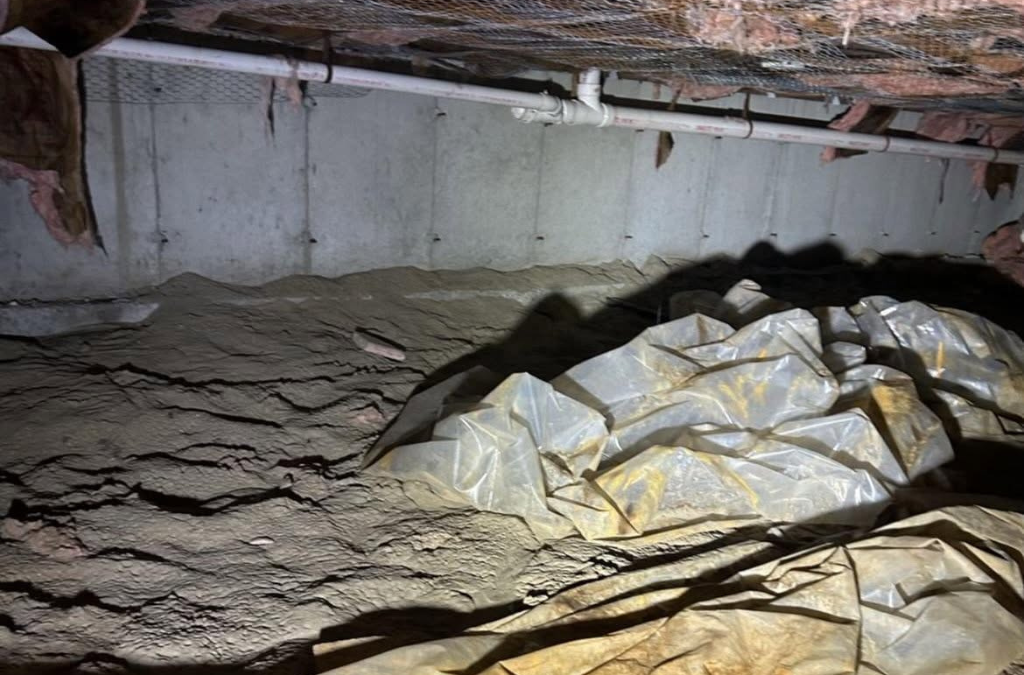
Professional mold removal experts in New Haven County requires IICRC-certified technicians with advanced spore-containment and thermal moisture mapping, not a bottle of bleach and a weekend of guesswork. Property owners searching for professional mold removal CT services need a partner who can document the full scope of the problem, not just treat what’s visible. Professional Cleaning & Restoration Systems of Connecticut, a family-owned business since 1987, provides this service across New Haven County and the surrounding shoreline communities, bringing decades of hands-on experience to every basement, attic, and crawlspace inspection. Their 200% Risk-Free Guarantee backs every project, ensuring complete remediation of mold from attics, basements, and crawlspaces, so property owners never have to wonder whether the job was actually finished. Homeowners and commercial property owners dealing with water intrusion, musty odors, visible mold growth, or post-storm moisture issues can rely on IICRC-certified crews who document every step, from the initial moisture mapping to final spore clearance testing, with full transparency throughout the process.
Why does New Haven County need professional mold removal?
New Haven County properties face relentless moisture challenges that fuel hidden mold growth. Surface cleaning with bleach fails to address the root cause, leaving families exposed to airborne spores and structural decay. Professional Mold Removal Experts deploy advanced containment and HEPA-filtered air scrubbing to restore safe indoor environments.
What makes New Haven County homes so vulnerable to mold?
Connecticut properties face unique environmental challenges throughout the year that dramatically escalate attic moisture accumulation and fungal growth risks in upper-level roof assemblies. Seasonal temperature swings, coastal humidity, and aging building envelopes in neighborhoods from Wooster Square to East Rock create persistent condensation cycles. Without intervention, these conditions feed mold colonies behind walls and under rooflines.
Basements present an equally significant risk profile. Many New Haven County homes sit on older foundations with limited vapor barriers, and groundwater intrusion after heavy rain or snowmelt is common across the region. Basement mold remediation in CT often uncovers colonies that have been developing for months behind finished walls, under carpet pads, or inside HVAC ductwork, long before any musty smell becomes noticeable upstairs. Commercial properties face their own version of this problem: flat roofs, large HVAC systems, and multi-tenant occupancy can mask a moisture issue until it has already spread across several units. A thorough mold inspection in New Haven County accounts for all of these variables, checking attics, basements, crawlspaces, and mechanical rooms rather than stopping at the first visible sign of growth.
Why doesn’t bleach solve a mold problem?
Bleach kills surface mold but cannot penetrate porous materials like drywall, wood, or insulation where roots remain embedded. The company’s Whole-Home Approach™ targets the moisture source first, then removes contaminated materials and treats affected cavities with antimicrobial agents. Skipping this sequence allows regrowth within days.
Professional remediation also prevents cross-contamination. Technicians establish negative air pressure zones and run HEPA-filtered air scrubbers that capture airborne particles. This protocol protects unaffected rooms during black mold removal and other high-risk projects, a critical safeguard for any black mold removal CT project where toxigenic species demand stricter containment than common surface mold. Homeowners who delay professional assessment risk compounding damage: compromised roof sheathing, deteriorated framing, and respiratory irritants circulating through HVAC systems. The company’s IICRC-certified crews bring 55-plus years of combined industry knowledge to every inspection, identifying problems that untrained eyes routinely miss.
Connecticut mold remediation specialists also understand how local building codes and insurance requirements intersect with a remediation project. Many homeowner’s insurance policies require documented proof of professional mitigation before covering related water damage claims, and a DIY cleanup attempt can jeopardize that coverage entirely. Working with a certified team ensures that moisture readings, photographic documentation, and clearance testing results are captured in a format insurers and future home buyers can trust. This matters especially in older New Haven County housing stock, where a pre-sale inspection can surface mold issues that, if undocumented, delay or derail a closing.
What is the step-by-step mold remediation process?
Professional Cleaning & Restoration Systems of Connecticut follows a rigorous, multi-stage protocol to eliminate mold and restore indoor air quality. This structured approach to mold remediation New Haven CT property owners can rely on sets the company apart from crews that treat remediation as a one-size-fits-all cleanup job. The process begins with a comprehensive inspection and thermal moisture mapping to identify every affected area, including hidden colonies behind walls or under flooring. Skipping this diagnostic step allows unseen contamination to persist, which undermines the entire remediation effort and leaves property owners with recurring odor and health complaints.
Professional Mold Removal Experts at the company then establish negative air containment using HEPA-filtered equipment. This critical barrier prevents microscopic spores from migrating to clean zones during the physical removal phase. Technicians run continuous air scrubbing for 24 to 48 hours, capturing airborne particulates that standard filtration misses.
How is mold physically removed from building materials?
Safe physical removal targets colonized drywall, insulation, and wood substrates. Crews apply antimicrobial decontamination agents to affected surfaces, destroying root structures and inhibiting regrowth. The company’s IICRC-certified technicians follow industry standards that prioritize source elimination over cosmetic treatment.
What happens after the mold is removed?
Final HEPA vacuuming and extended air scrubbing clear residual spores from the environment. Every surface undergoes detailed cleaning to achieve spore clearance benchmarks. The company’s Whole-Home Approach then addresses the underlying moisture source, whether it is a roof leak, condensation issue, or foundation seepage common in New Haven County properties. Without this correction, even a flawless removal invites future colonization. The entire engagement is backed by a 200% Risk-Free Guarantee, reflecting confidence in the durability of the results.
Post-remediation verification typically includes third-party air quality testing or visual clearance inspection, depending on the scope of the project and the property owner’s preference. This step gives homeowners and commercial clients documented proof that spore counts have returned to normal background levels before furniture, flooring, or finishes go back in. For commercial property owners, this documentation can also support tenant communications and liability records, demonstrating that the issue was handled to an established industry standard rather than patched over. The timeline for a typical project varies with scope: a contained bathroom or closet remediation may wrap in a day or two, while a whole-basement or attic-wide infestation with structural material removal can take a week or longer to complete properly.
How do I choose the right mold remediation partner?
Selecting a mold remediation partner requires verifying certifications, assessing transparency, and evaluating local accountability. Professional Mold Removal Experts with IICRC credentials follow industry-standard containment protocols that prevent cross-contamination during removal. Without these protocols, spore spread escalates damage and restoration costs.
What certifications should a mold remediation company hold?
IICRC certification confirms that technicians have completed rigorous training in mold remediation standards. Professional Cleaning & Restoration Systems of Connecticut employs IICRC-certified technicians who adhere to established containment and removal procedures. This certification signals technical competence rather than marketing claims.
How can I tell if a provider is being honest about the scope of work?
Transparent assessments separate trustworthy providers from those pushing unnecessary repairs. The company operates with integrity and meticulous care, treating every client like family and ensuring transparent, high-quality service that enhances home health and comfort. A reputable firm documents findings with moisture readings and photographic evidence, explaining exactly what needs remediation and why.
Local ownership adds another layer of accountability. Professional Cleaning & Restoration Systems of Connecticut, a family-owned business since 1987, delivers premium cleaning, restoration, and indoor air quality services across New Haven County. Deep community roots mean the company’s reputation depends on every job. National chains often rotate crews through unfamiliar territories. A locally rooted team knows New Haven County’s housing stock, from century-old basements to modern condominiums.
Response time also matters when evaluating a mold remediation partner. Mold can begin colonizing in as little as 24 to 48 hours after a water intrusion event, so a provider that answers quickly and can mobilize a crew without a multi-week wait makes a measurable difference in how much material needs to be removed. Homeowners should also ask how a prospective provider handles post-storm moisture, since New Haven County’s coastal exposure means wind-driven rain and flooding events are a recurring cause of new mold growth. A provider with established storm-response protocols can stabilize a property quickly, limiting the scope and cost of the remediation that follows. Price should never be the only factor in this decision: a lower bid that skips containment, skips moisture-source correction, or skips post-remediation verification often costs more in the long run, once mold returns and the work has to be redone.
The company’s 200% Risk-Free Guarantee demonstrates confidence in service quality and customer satisfaction. This guarantee backs every residential and commercial project, giving property owners recourse if results fall short. Combined with IICRC certification and decades of local experience, these signals help New Haven County homeowners identify a remediation partner committed to lasting solutions rather than quick fixes.
Conclusion
For New Haven County homeowners facing persistent moisture and mold, the path to a safe home requires more than surface fixes, it demands a certified, locally accountable partner who follows a proven containment and removal protocol. Choosing a provider with IICRC credentials, transparent assessments, and a guarantee of lasting results ensures your property receives the thorough remediation it needs, not a temporary cosmetic solution.
Frequently Asked Questions
How much does professional mold removal cost in New Haven County?
Cost depends on the scope of contamination, the materials affected, and whether structural repairs are needed after remediation. A contained area like a bathroom or closet costs far less than a whole-basement or attic-wide infestation. Professional Cleaning & Restoration Systems of Connecticut provides a documented inspection and assessment before any work begins, so property owners know the scope and cost upfront rather than receiving a vague estimate.
How long does mold remediation take?
A small, contained remediation can often be completed in a day or two, while larger projects involving structural material removal, extended air scrubbing, and moisture-source correction can take a week or longer. The timeline depends on the extent of contamination found during the initial thermal moisture mapping and inspection.
Will my homeowner’s insurance cover mold remediation?
Coverage varies by policy and by the cause of the moisture intrusion. Many insurers require documented proof of professional mitigation, including moisture readings and clearance testing, before approving a claim. Working with IICRC-certified technicians who document every stage of the process gives property owners the paperwork insurers typically expect to see.
Can I just clean visible mold myself with bleach?
Bleach only addresses surface mold and cannot penetrate porous materials like drywall, wood, or insulation where root structures remain embedded. It also does nothing to correct the underlying moisture source, so visible regrowth often returns within days. Professional remediation removes contaminated materials, treats affected cavities, and fixes the moisture problem causing the growth.
What is included in the 200% Risk-Free Guarantee?
The guarantee backs every residential and commercial project completed by Professional Cleaning & Restoration Systems of Connecticut, giving property owners recourse if remediation results fall short of expectations. It reflects the company’s confidence in its containment protocols, removal procedures, and final verification process.